





Key Takeaways
- An Australian citizen, Australian permanent resident or eligible New Zealand citizen can sponsor partner from Guatemala on a Subclass 309, Subclass 820 or Subclass 300 visa, provided the relationship is genuine and continuing and the sponsorship is approved.
- Guatemalan citizens are not eligible for the eVisitor. A visitor visa can let the couple spend time together in Australia, but relying on it as a route to an onshore partner visa carries real risks, including condition 8503 and false information findings.
- Guatemalan civil records are held by RENAP, the national registry that took over the former municipal civil registries. Birth, marriage and divorce certificates, and the DPI identity card, all come from that system and must be translated from Spanish.
- Guatemala issues two separate criminal history documents: a police record certificate from the Policia Nacional Civil and a criminal record certificate from the Organismo Judicial. A partner outside Guatemala usually needs an authorised lawyer in Guatemala to obtain them.
- Many sponsors meet their Guatemalan partner while travelling or volunteering. Timing the application correctly, and building evidence of the relationship after the trip ends, matters as much as the documents.
Australians who want to sponsor partner from Guatemala often met their partner far from home: while travelling through Central America, studying Spanish, volunteering or working on a project. The relationship may have started quickly, the couple may have spent only weeks or months together, and the Australian partner may now be back home wondering how to bring the relationship to Australia. This guide explains how to sponsor partner from Guatemala, what the Department of Home Affairs will expect, and where couples most often go wrong.
It is written for the Australian sponsor. It covers the visa options, the role of the visitor visa, the timing of the application, the Guatemalan civil records held by RENAP, the two Guatemalan criminal history certificates, Spanish translation and the apostille. It also explains what recent Tribunal decisions show about relationships that moved quickly and about identity documents from registration systems that have changed over time.
The firm's partner visa lawyers page explains how My Migration Lawyers approaches partner matters. The complete guide to partner visas sets out every subclass.
Can an Australian sponsor partner from Guatemala?
Yes. An Australian citizen, an Australian permanent resident or an eligible New Zealand citizen can sponsor partner from Guatemala if the couple is married, in a de facto relationship, or engaged and intending to marry, and the sponsor meets the sponsorship requirements.
The law is the same for every nationality. To sponsor partner from Guatemala, the couple must show a genuine and continuing relationship, a mutual commitment to a shared life to the exclusion of all others, and that they live together or do not live separately and apart on a permanent basis. The Guatemalan partner must meet health and character requirements. The sponsor must not be prevented by the sponsorship limitations, which are explained on the firm's sponsorship limitations page.
The sponsor's own documents matter too. The firm's guides on partner visa sponsor requirements, sponsor documents and the partner visa sponsor police check explain what the Australian partner provides. An Australian who has lived in Guatemala for a long period, for example as a volunteer, may also be asked about that time.
Guatemala is a small source country for Australian partner visas. The Department of Foreign Affairs and Trade records about 700 people born in Guatemala living in Australia at the 2021 Census. The decision maker may not be familiar with Guatemalan documents, which is why a well explained application is important when you sponsor partner from Guatemala.
Meeting while travelling or volunteering in Guatemala
Many couples who sponsor partner from Guatemala met while the Australian partner was travelling, studying Spanish or volunteering, and the Department will look closely at how the relationship began, how quickly it developed and whether it continued after the trip ended.
A relationship that starts during travel is not less genuine, and many couples who sponsor partner from Guatemala began exactly this way. However, the evidence often has a particular shape. The couple may have spent an intense few weeks or months together, followed by a period apart while the Australian partner returned home. There may be little financial or household evidence from the early period, and the relationship may have moved quickly towards engagement or marriage.
The Department will want to understand:
- where and how the couple met, and what the Australian partner was doing in Guatemala;
- how long they spent together in person, and where they lived during that time;
- how the relationship continued after the Australian partner left;
- when and why the couple decided to commit to each other;
- what each partner knows about the other's family, work and history.
Answering these questions clearly in the relationship statement is essential when you sponsor partner from Guatemala. The firm's guides on a partner visa where the couple met online, on partner visa travel evidence and on the partner visa relationship timeline explain how to present a relationship that began abroad. The FAQ on marrying soon after meeting addresses fast relationships directly.
Volunteers should keep evidence from the start. Photographs with the partner's family, messages from the beginning of the relationship, and records of time spent living in the same accommodation can be hard to recover later. A sponsor who wants to sponsor partner from Guatemala should collect this evidence while the trip is still recent.
Which visa to use to sponsor partner from Guatemala
There are three main ways to sponsor partner from Guatemala: the offshore Subclass 309, the onshore Subclass 820, and the Subclass 300 Prospective Marriage visa for engaged couples who will marry in Australia.
The Subclass 309 partner visa is lodged online while the Guatemalan partner is outside Australia, and the partner must be outside Australia when it is granted. It is the usual pathway when the partner is in Guatemala. The Subclass 820 partner visa is lodged while the partner is in Australia, and it requires the partner to hold a visa that allows a further application. The Subclass 300 Prospective Marriage visa allows an engaged partner to travel to Australia and marry within the visa period.
The right way to sponsor partner from Guatemala depends on the stage of the relationship and where the partner is. The firm's guides on onshore vs offshore partner visas and Subclass 820 vs Subclass 309, and the FAQ on fiance visa vs partner visa, compare the options. Couples who are engaged should also read the FAQ on whether to marry first or use the fiance visa.
The visitor visa: a way to spend time together, not a strategy
A visitor visa can allow a Guatemalan partner to spend time with the sponsor in Australia, but it should be treated as a way to visit, not as a planned route to an onshore partner visa.
Guatemala is not on the list of passports eligible for the eVisitor. A Guatemalan partner who wants to visit Australia generally needs to apply for a Visitor visa (Subclass 600) and satisfy the Department that they are a genuine visitor. A visit can be very valuable for couples who sponsor partner from Guatemala. The partner meets the sponsor's family and friends, sees where the couple would live, and the couple builds household and social evidence together.
Visits during processing of a Subclass 309 are also possible. The FAQ on visiting Australia while a Subclass 309 is processing explains how this works. The guide on visitor visas during partner visa processing explains the practical issues.
The risks of relying on a visitor visa to sponsor partner from Guatemala
The main risks of relying on a visitor visa to sponsor partner from Guatemala onshore are condition 8503, a finding that the partner was not a genuine visitor, a false or misleading information finding, and becoming unlawful if the visitor visa expires before an application is lodged.
Each of these can be serious for a couple who wants to sponsor partner from Guatemala:
- Condition 8503. A visitor visa may be granted with condition 8503 (No Further Stay). If it is, the partner cannot be granted most visas in Australia, including a Subclass 820, unless the condition is waived. Waivers are available only in narrow circumstances. The firm's guides on Subclass 820 and condition 8503 and the 8503 waiver explain the rule.
- Genuine visitor. A visitor visa application that hides an intention to stay can be refused, and a refusal must be disclosed in later applications. The guide on a partner visa after a visitor visa refusal explains what follows.
- False or misleading information. Answers on a visitor visa application that turn out to be untrue can lead to a public interest criterion 4020 problem in the partner visa. The FAQ on PIC 4020 for partner visas and the FAQ on whether to mention a partner on a visitor visa explain why honesty is essential.
- Overstaying. If the visitor visa expires before a Subclass 820 is lodged, the partner becomes unlawful and the application faces the Schedule 3 criteria. The firm's page on Schedule 3 waivers explains this.
The firm's FAQ on a partner visa on a tourist visa and the guide on a partner visa lawyer for applicants on a visitor visa explain when an onshore application can still be appropriate.
When to lodge an application to sponsor partner from Guatemala
The right time to sponsor partner from Guatemala is when the couple meets the definition of a spouse or de facto partner, the core documents are ready, and, for an onshore application, before the partner's current visa expires.
Timing questions arise in almost every application to sponsor partner from Guatemala:
- De facto couples. A de facto relationship generally must have existed for 12 months before lodgement, unless it is registered in an Australian State or Territory or compelling and compassionate circumstances apply. A couple who met during a three month volunteer placement and then lived apart will usually not meet this test until much later. The FAQs on when the 12 month de facto period starts and applying before 12 months explain the rule.
- Married couples. Marriage removes the 12 month requirement, but the marriage must be valid and registered, and the relationship must still be genuine. The FAQ on whether a marriage certificate is enough explains why.
- Engaged couples. The Subclass 300 suits couples who have met in person and intend to marry in Australia. The FAQ on Subclass 300 requirements explains the criteria.
- Onshore lodgement. A Subclass 820 must be lodged while the partner holds a visa, and before it expires, to avoid Schedule 3. The FAQ on a visa expiring next week explains what to do if time is short.
- Police certificates. Guatemalan certificates should be timed so they are still valid when the Department decides the application.
The firm's FAQ on the best time to lodge a partner visa and the guide to a decision ready partner visa explain how to plan the lodgement.
Marrying in Guatemala
A marriage validly performed in Guatemala is generally recognised in Australia, and it should be registered with RENAP before the couple relies on it to sponsor partner from Guatemala.
According to RENAP, a marriage in Guatemala can be celebrated before a notary, a minister of worship, a mayor (alcalde) or a municipal councillor (concejal). After the ceremony, the marriage is registered with RENAP, and a late registration attracts a fee. The marriage certificate that the Department will expect to see is the RENAP certification, not just a document from the ceremony.
Couples who marry in Guatemala during a visit, and then sponsor partner from Guatemala, should make sure the registration is complete before leaving, or have a reliable way to obtain the RENAP certificate afterwards. The firm's guides on whether an overseas marriage is recognised in Australia and on the partner visa marriage certificate, and the FAQ on a religious or cultural marriage, explain how the Department assesses a foreign marriage. The FAQ on an unregistered marriage explains what happens if registration was not completed.
Some couples ask about marrying by proxy or online. These marriages raise separate validity questions. The FAQ on proxy and online marriages explains the Australian position.
RENAP and Guatemalan civil records
Guatemalan civil records are held by the Registro Nacional de las Personas (RENAP), the national registry created by Decree 90-2005, which brought the country's civil registries under a single national system.
Under that law, RENAP registers births, marriages, de facto unions, divorces and deaths, and the information held by the former civil registries became part of RENAP. RENAP states that it issues certifications of birth, marriage and death, and that certifications can be requested at its registry offices across the country, through its website or through its mobile application. RENAP also provides an online service to verify the authenticity of a certificate it has issued.
This history matters when you sponsor partner from Guatemala, particularly for partners born before the national system was in place. A Guatemalan partner born before RENAP was established may have had a birth originally recorded in a municipal civil registry. Older records sometimes contain spelling differences, missing details or later corrections. The Department may notice differences between an older document and a current RENAP certification. The best approach is to obtain current RENAP certifications for the application and explain any differences with older documents.
A practical example helps. A partner whose RENAP birth certification shows a second given name that does not appear in the passport should not simply ignore the difference. The application should identify both versions, explain which document uses each, and confirm that they refer to the same person. Couples who sponsor partner from Guatemala and deal with this at lodgement avoid a later request for information on the point.
The firm's guides on the partner visa document checklist, the FAQ on different names and dates in documents and the FAQ on what to do if you cannot get a birth or marriage certificate explain how to present records with variations.
The DPI and Guatemalan identity documents
The Documento Personal de Identificacion (DPI) is the single personal identity document in Guatemala under the RENAP law, and a Guatemalan partner should provide it together with a valid passport.
Decree 90-2005 made the DPI the only personal identity document for civil, administrative and legal acts, replacing the older cedula de vecindad, and a person cannot obtain a DPI without a civil registration. When you sponsor partner from Guatemala, the DPI supports the passport and the birth certificate. It should be translated into English along with the other Spanish documents.
Identity consistency is a recurring theme in partner visa refusals, and it deserves attention whenever couples sponsor partner from Guatemala. The firm's FAQ on a partner visa with a different identity and the guide on a partner visa change of passport explain how to deal with inconsistencies before the Department raises them. Form 80 records all names and identity documents used, and the Form 80 guide explains how to complete it.
Previous marriages, divorces and children
Any previous marriage of either partner must have ended before the couple married, and couples who sponsor partner from Guatemala should obtain the RENAP record that shows the divorce, not only the court decision.
Under the RENAP law, divorces are among the acts that must be registered. A Guatemalan partner who was previously married should provide the divorce decision and a current RENAP certification showing the change in civil status. If a previous de facto union was registered, the record of its end should also be provided. Gaps between a court decision and the registry can cause delay, so they should be resolved early.
Children change an application to sponsor partner from Guatemala in two ways. A child who will migrate can be included as a dependent applicant, and the other parent's consent may be needed if that parent has rights over the child. A child who will not migrate must still be declared, and may need a health examination in some cases. The firm's FAQs on including children in a partner visa, consent from the other parent and non-migrating children's health checks explain these issues. The guide on a partner visa after divorce explains the documents needed when either partner has been married before.
Two Guatemalan criminal history certificates
Guatemala issues two separate criminal history documents, and a Guatemalan partner will usually need both: a police record certificate from the Policia Nacional Civil (PNC) and a criminal record certificate from the Organismo Judicial.
Official guidance from the Government of Canada's immigration department lists both documents as required for Guatemala:
- the constancia de antecedentes policiales, the police record certificate issued by the Policia Nacional Civil, which records police history; and
- the carencia de antecedentes penales, the criminal record certificate issued by the Organismo Judicial, the judicial branch, which records criminal convictions.
The same guidance states that both can be applied for online in Spanish, through the PNC portal and through the Organismo Judicial website or its OJMovil application, or in person in Guatemala. Couples who sponsor partner from Guatemala should obtain both certificates unless the Department's own instructions for Guatemala specify otherwise.
To sponsor partner from Guatemala, the Department requires police certificates from each country where the applicant has spent 12 months or more in total in the last 10 years since turning 16. The firm's guides on partner visa overseas police certificates and the FAQ on the police check for a partner visa explain the general rule.
Getting Guatemalan certificates from outside Guatemala
A Guatemalan partner who lives outside Guatemala usually cannot use the online portals for the police and criminal record certificates, and should authorise a lawyer in Guatemala to apply on their behalf.
The Canadian guidance states that the online portals are available only within Guatemalan territory. Applicants abroad can authorise a lawyer to apply, and the lawyer must present the applicant's original identification documents. Applicants can also contact the Organismo Judicial's criminal records department directly by phone or email. This matters for couples who sponsor partner from Guatemala where the partner is already living in another country, such as Mexico, the United States or Australia.
Timing is important when you sponsor partner from Guatemala. Police certificates have a limited validity period for Department purposes, and an expired certificate can trigger a request for a new one. The firm's guide on expired police checks and the FAQ on police certificate and health check validity explain the timing. If a certificate genuinely cannot be obtained, the FAQ on what to do when you cannot get a police certificate explains the alternatives.
The My Migration Lawyers Difference
Affordable Fees
Complex Matter Capability
Instalment Payment Options
Two-Day Cooling-off Period
Spanish documents and English translation
Every Guatemalan document in Spanish must be translated into English before it is uploaded, and couples who sponsor partner from Guatemala should allow time and budget for this, because almost every Guatemalan civil and police document is issued in Spanish.
Documents that usually need translation include the RENAP birth certificate, the marriage certificate, divorce records, the DPI, both criminal history certificates and any Spanish relationship evidence that is relied on. A translation prepared in Australia should be done by a translator accredited by NAATI, and each translation should identify the translator and match the spellings used in the passport.
Relationship evidence does not all need translating when you sponsor partner from Guatemala. A couple who communicates in a mix of English and Spanish can provide a representative selection of messages with translations, rather than translating every message. The firm's guides on partner visa evidence translation, the FAQ on translating a marriage certificate and the FAQ on translating messages explain what is needed. Couples who are still learning each other's language should read the FAQ on couples who speak different languages.
Apostille for Guatemalan documents
Guatemala has been a party to the Hague Apostille Convention since 2017, so Guatemalan public documents can be apostilled, although an apostille is not normally needed for a partner visa upload.
For couples who sponsor partner from Guatemala, the Department generally accepts clear colour scans of original documents uploaded online, together with English translations. An apostille may still be useful if the Department asks for certified documents, if a Guatemalan document must be used for another Australian purpose, or if an Australian document must be used in Guatemala. Australia has been a party to the Convention since 1995, so Australian documents can also be apostilled for use in Guatemala, for example an Australian single status document needed for a marriage in Guatemala.
The firm's FAQ on certified copies for a partner visa and the FAQ on uploading documents explain how documents are provided.
Names with two surnames
Guatemalan documents commonly record two surnames, and inconsistent use of one or both surnames across documents is a common source of questions when couples sponsor partner from Guatemala.
A Guatemalan partner may use both surnames on a RENAP certificate and passport, only the first surname on social media or in Australian documents, and a shortened first name in everyday life. A married woman may also appear with an additional surname in some records. These differences are normal, but each one should be explained in the application.
The best approach for anyone who wants to sponsor partner from Guatemala is a short table in the application listing each version of the partner's name and the document that uses it. The firm's FAQ on a name change after marriage and the FAQ on different names and dates explain how to present this.
Building evidence after the trip ends
When the Australian partner returns home after meeting a partner in Guatemala, the relationship usually becomes a long-distance one, and the evidence from that period often decides whether the Department is satisfied the relationship is genuine and continuing.
The Department assesses four aspects: the financial aspects, the nature of the household, the social aspects and the nature of the commitment. During a period apart, the strongest evidence for couples who sponsor partner from Guatemala is usually:
- regular communication, shown through call logs and a representative selection of messages;
- return visits, documented with travel records, accommodation and photographs;
- financial support, such as money transfers and payment of travel costs, with a short explanation;
- recognition by both families, including introductions and messages;
- clear plans for the future, such as wedding plans and where the couple will live.
The firm's guides on a partner visa long-distance relationship, partner visa chat evidence and partner visa financial evidence, and the FAQ on money transfers as relationship evidence, explain how to build this evidence. The guide on Form 888 witness statements explains how friends and family in Australia can support the application.
The relationship statement must bring all of this together for couples who sponsor partner from Guatemala. A partner visa has one relationship statement, and the firm's guide on the relationship statement for a partner visa explains how to write it.
What recent Tribunal decisions show
Recent decisions of the Administrative Review Tribunal show that relationships which moved quickly, and applications with identity document problems, can succeed on review when the evidence is properly presented, which is directly relevant when you sponsor partner from Guatemala.
In 2305833 (Migration) [2026] ARTA 1686, a Subclass 820 matter, the reported issues were identity details, multiple birth certificates and a decentralised civil registration system. The Tribunal remitted the matter to the Department. The lesson is that inconsistent civil records from a registration system that has changed over time can be explained, but the explanation has to be clear and supported.
In Saadie (Migration) [2024] ARTA 862, a Subclass 309 matter, the reported issues were a marriage months after introduction and days after the couple met in person. The Tribunal remitted the matter. The lesson is that a fast relationship is not, by itself, a reason to refuse, although it makes the evidence of what happened next more important.
In Magallanes (Migration) [2025] ARTA 1331, a Subclass 820 matter, the reported issues were an age difference, limited evidence given to the Department and detailed statements provided on review. The Tribunal remitted the matter. The lesson is that thin evidence at lodgement can lead to refusal, and that detailed statements can make a difference.
These decisions do not mean that every refusal will be remitted. They show why it is better to prepare the evidence properly before you sponsor partner from Guatemala than to rely on review later. The firm's guides on the genuine and continuing relationship test and on partner visa limited evidence explain how to avoid these problems.
Where visa services for Guatemala are handled
The Australian Embassy in Mexico City has non-resident accreditation to Guatemala, Australia has an Honorary Consul in Guatemala City, and Guatemala has an embassy in Canberra.
For couples who sponsor partner from Guatemala, the partner visa itself is lodged and managed online through ImmiAccount. The Department may communicate by email and may conduct interviews by phone or video. Health examinations must be done with a panel physician approved by the Department, and the partner should check the Department's list when the request arrives. The firm's guides on partner visa health requirements, the FAQ on biometrics and the guide on the partner visa telephone interview explain these steps.
What does it cost to sponsor partner from Guatemala?
At the time of writing, the Department's visa application charge for a Subclass 309/100 or Subclass 820/801 partner visa is AUD 11,710 for the main applicant, covering both the temporary and permanent stages.
Other costs when you sponsor partner from Guatemala include English translations of Spanish documents, the two Guatemalan criminal history certificates, the cost of an authorised lawyer in Guatemala if the partner is abroad, health examinations and travel. The Subclass 300 has a different charge, which should be checked on the Department's website. The firm's guide on partner visa cost and the FAQ on fiance visa cost explain the government charges.
What if the partner visa is refused?
If a Subclass 309 is refused, the Guatemalan partner can apply to the Administrative Review Tribunal in their own name, and the time limit is short and strictly applied, running from when the refusal is taken to have been received. If a Subclass 820 is refused, the review application must be lodged within 28 days of notification.
At the time of writing, the ART application fee for a partner visa review is AUD 3,727. The Tribunal can consider new evidence, which gives couples who sponsor partner from Guatemala a second chance to explain the relationship. The firm's partner visa refusals page, the guide on how to appeal a partner visa refusal and the FAQ on who applies for review of an offshore refusal explain the process. The FAQ on reapplying or seeking review explains the choice after a refusal.
How My Migration Lawyers helps you sponsor partner from Guatemala
My Migration Lawyers acts for Australian sponsors in complex partner visa matters, including many matters where the relationship began overseas and the partner's documents come from a different legal and registration system. The firm understands the issues that arise when Australians sponsor partner from Guatemala and is capable of handling these matters from first advice to review.
On a matter to sponsor partner from Guatemala, the firm:
- advises on timing and on the choice between the Subclass 309, Subclass 820 and Subclass 300, including the risks of relying on a visitor visa;
- reviews RENAP certifications, the DPI and any older civil records, and explains differences in names and dates;
- advises on obtaining both Guatemalan criminal history certificates, including through an authorised lawyer when the partner is abroad;
- organises the translation of Spanish documents and a representative selection of relationship evidence;
- prepares the application, presenting the couple's own account and evidence in the form the law requires;
- responds to requests for further information and natural justice letters; and
- acts in Administrative Review Tribunal review if a refusal occurs.
The firm's Principal Lawyer, Weiwei Zhang, oversees the firm's partner visa practice. The firm's guides to an offshore partner visa lawyer and a complex partner visa lawyer explain how the firm works with sponsors in Australia and partners overseas. Sponsors who have a partner from elsewhere in Latin America can also read the FAQ on a partner visa lawyer for Colombian partners.
If you want to sponsor partner from Guatemala and want advice on your own circumstances, book a consultation with My Migration Lawyers. You can also call 1300 040 300.
Frequently Asked Questions
I met my partner while volunteering in Guatemala. Can I sponsor partner from Guatemala?
Yes, meeting while volunteering or travelling does not prevent a partner visa, as long as the relationship is genuine and continuing and you fit one of the categories. Married couples can apply as spouses, engaged couples who will marry in Australia can use the Subclass 300, and de facto couples generally need 12 months of de facto relationship before applying. The Department will look closely at how the relationship began and how it continued after you left Guatemala.
Can my Guatemalan partner come to Australia on an eVisitor?
No, Guatemala is not on the list of eVisitor eligible passports. A Guatemalan partner generally needs to apply for a Visitor visa (Subclass 600) and satisfy the Department that they are a genuine visitor. The visitor visa may be granted with condition 8503, which would prevent an onshore partner visa unless waived. A visit can strengthen the relationship, but it should not be treated as a planned route to an onshore application.
Can my partner apply for a partner visa in Australia after arriving on a visitor visa?
Sometimes, but only if the visitor visa does not carry condition 8503 and the Subclass 820 is lodged before the visitor visa expires. The partner must also have been honest in the visitor visa application, because untrue answers can lead to a public interest criterion 4020 problem. If the visa expires first, the application faces the Schedule 3 criteria. Advice should be obtained before the partner travels, not after arrival.
What Guatemalan documents do I need to sponsor partner from Guatemala?
The core Guatemalan documents are the partner's passport, the DPI identity card, a current RENAP birth certification, a RENAP marriage certification if married, divorce records if previously married, and both criminal history certificates: the police record certificate from the Policia Nacional Civil and the criminal record certificate from the Organismo Judicial. Birth certifications are needed for any children included. Every Spanish document must be translated into English.
What is RENAP and why does it matter for a partner visa?
RENAP, the Registro Nacional de las Personas, is Guatemala's national civil registry, created by Decree 90-2005. It registers births, marriages, de facto unions, divorces and deaths, and it took over the information held by the former civil registries. Current RENAP certifications are the best evidence of identity and civil status. Older records may contain differences, which should be explained so the Department can match them to the passport.
Does my Guatemalan partner need one police certificate or two?
Usually two. Guatemala issues a police record certificate (constancia de antecedentes policiales) from the Policia Nacional Civil and a criminal record certificate (carencia de antecedentes penales) from the Organismo Judicial. Official Canadian immigration guidance lists both as required, and providing both gives the Department a complete picture. Both can be applied for online in Spanish from within Guatemala. The certificates should be timed so they are still valid at the decision.
How can my partner get Guatemalan police certificates from outside Guatemala?
The online portals are available only within Guatemala, so a partner living abroad usually authorises a lawyer in Guatemala to apply on their behalf, and the lawyer presents the partner's original identification documents. The partner can also contact the Organismo Judicial's criminal records department by phone or email. Because this takes time, the process should start well before the certificates are needed for the application.
Do Guatemalan documents need an apostille for a partner visa?
Generally no. The Department usually accepts clear colour scans of original documents uploaded online with English translations. Guatemala has been a party to the Hague Apostille Convention since 2017, so an apostille is available if the Department asks for certified documents or if a document is needed for another purpose. Australian documents can also be apostilled for use in Guatemala, for example if the Australian partner needs a document to marry there.
Who can perform a marriage in Guatemala?
According to RENAP, a marriage in Guatemala can be celebrated before a notary, a minister of worship, a mayor or a municipal councillor. After the ceremony, the marriage is registered with RENAP, and a late registration attracts a fee. For a partner visa, the RENAP marriage certification is the key document. Couples who marry during a visit should make sure the marriage is registered before relying on it.
When is the right time to sponsor partner from Guatemala?
The right time is when the couple meets the definition of spouse or de facto partner, the key documents are ready, and, for an onshore application, before the partner's visa expires. De facto couples generally need 12 months of de facto relationship first. Married couples do not, but must still show a genuine relationship. Police certificates should be obtained close to lodgement so they remain valid when the Department makes its decision.
My partner's name appears differently on Guatemalan documents. Is that a problem?
It can cause delay if it is not explained. Guatemalan documents commonly record two surnames, and a partner may use only one surname, a shortened first name or a married name in other records. Older civil records may also differ from current RENAP certifications. The application should list each version of the name and the document that uses it, and Form 80 must record all names used.
Do Spanish messages need to be translated for the partner visa?
Only the messages relied on as evidence need translation, and a representative selection is usually enough. Couples who communicate in a mix of English and Spanish should choose messages from each stage of the relationship, especially those about important events and future plans, and provide English translations. Translating every message is not necessary and can make the evidence harder to read. Civil and police documents in Spanish must always be translated.
Is there an Australian embassy in Guatemala?
No. The Australian Embassy in Mexico City has non-resident accreditation to Guatemala, and Australia has an Honorary Consul in Guatemala City. Guatemala has an embassy in Canberra. Partner visa applications are lodged and managed online through ImmiAccount, and the Department may contact the applicant by email or interview by phone or video. Health examinations must be done with a panel physician approved by the Department.
What happens if our relationship moved quickly?
A relationship that moved quickly can still meet the partner visa requirements, but the evidence of what happened next becomes more important. The Department will want to see how the relationship developed after the couple met, how they stayed in contact, whether they visited each other, and what each partner knows about the other. In Saadie (Migration) [2024] ARTA 862, a marriage soon after meeting in person was considered and the matter was remitted.
What does it cost to sponsor partner from Guatemala?
At the time of writing, the government visa application charge for a Subclass 309/100 or Subclass 820/801 partner visa is AUD 11,710 for the main applicant, covering both stages. The Subclass 300 charge is different and should be checked on the Department's website. Other costs include translations, the two Guatemalan criminal history certificates, an authorised lawyer in Guatemala if the partner is abroad, health examinations and travel.
What if the partner visa is refused?
A refused partner visa can usually be reviewed by the Administrative Review Tribunal. For a Subclass 309, the Guatemalan partner applies in their own name, and the time limit is short and strictly applied. For a Subclass 820, the application must be lodged within 28 days of notification. At the time of writing, the ART fee is AUD 3,727. The Tribunal can consider new evidence and can remit the matter to the Department.
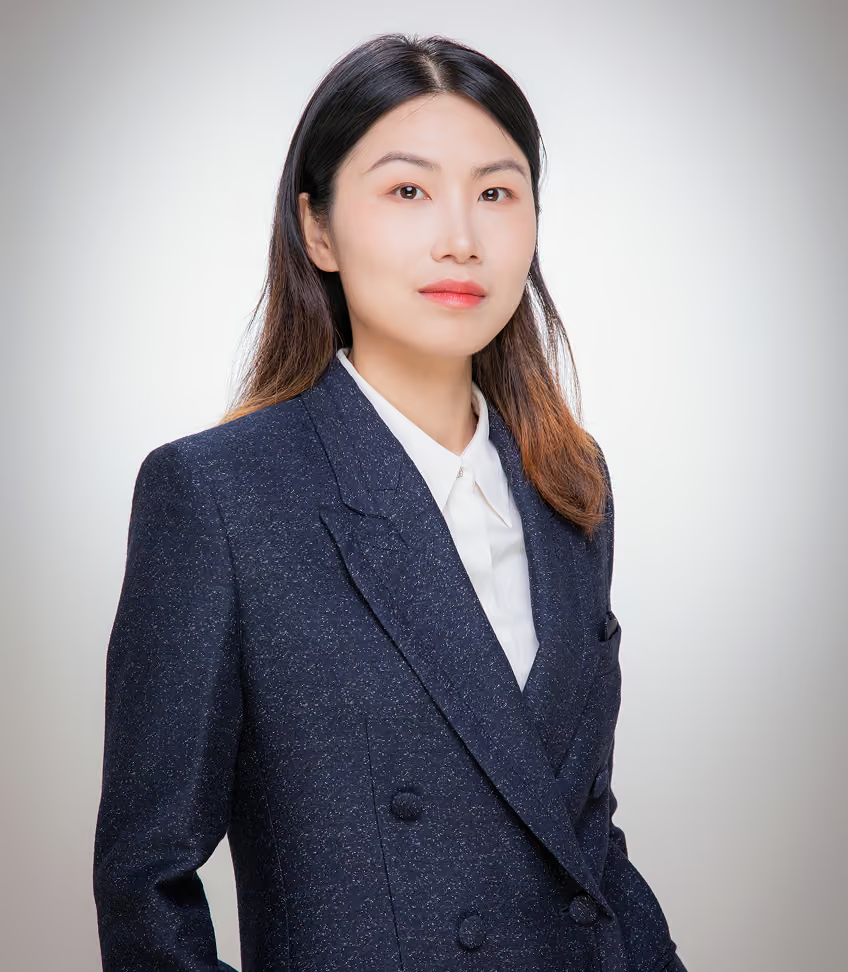
Weiwei Zhang is the Principal Lawyer and Managing Director of My Migration Lawyers. My Migration Lawyers is one of Australia's leading immigration law firms, dedicated exclusively to Australian immigration law. The firm represents individuals, families and businesses across all areas of migration law, with particular expertise in complex immigration matters, Partner Visas, Protection Visas, corporate migration, visa refusals, Administrative Review Tribunal reviews, judicial reviews and visa cancellations.