





Key Takeaways
- Yes. An Australian citizen, Australian permanent resident or eligible New Zealand citizen can sponsor partner from El Salvador on a Subclass 309 or Subclass 820 partner visa, and the Salvadoran partner's dependent children can usually be included in the same application.
- When a child under 18 is included, the other parent's rights must be dealt with. The Department usually expects that parent's written consent, commonly on Form 1229, or a court order, and it separately assesses whether the grant is in the child's best interests.
- Including a child under 18 also triggers police checks for the Australian sponsor under regulation 1.20KB of the Migration Regulations 1994, and certain offences can prevent the sponsorship from being approved.
- Salvadoran civil documents come from the Registro del Estado Familiar and are in Spanish, so birth, marriage and divorce records need complete English translations. Only a civil marriage is legally valid in El Salvador.
- El Salvador issues two separate criminal history documents: a penal record from the Dirección General de Centros Penales and a police record from the Policía Nacional Civil. The Department's current country requirements should be checked to confirm which are needed.
Yes, you can sponsor partner from El Salvador on an Australian partner visa, and in most cases you can include your partner's children in the same application. To sponsor partner from El Salvador, you must be an Australian citizen, an Australian permanent resident or an eligible New Zealand citizen, and the relationship must be genuine and continuing.
This guide is written for the Australian sponsor, and it focuses on the issue that shapes many Salvadoran cases: children. Many sponsors who want to sponsor partner from El Salvador are building a family with a partner who already has children from an earlier relationship. That brings in extra legal tests that do not apply to a couple on their own. The other parent's consent, the child's documents, the best interests of the child and the sponsor's own police checks all become part of the application.
The guide also covers Salvadoran marriage and divorce records, Spanish documents, the two Salvadoran criminal history certificates, and how to present a relationship when one partner is also a parent. For a general overview of the visa itself, start with the complete guide to partner visas in Australia and the firm's partner visa lawyers page.
Can I sponsor partner from El Salvador and include their children?
Yes. When you sponsor partner from El Salvador, the partner is the main applicant and their dependent children can be added as secondary applicants in the same application, provided each child meets the definition of a dependent child and the custody and best interests criteria are satisfied.
Including the children in the partner visa is usually the simplest pathway, because the whole family is assessed together and can travel together. A child who is left out of the application cannot simply be added later in every case, and a separate child visa has its own rules. The firm's guides to adding children to a partner visa and to including a partner's children in a partner visa explain the basic position.
The children's part of the case is not a formality. In a partner visa with a dependent child, the main applicant must meet criteria that depend on the child. For example, the Department's policy on the best interests of minor children explains that, where a parent and child apply together for a Subclass 820, the parent can meet public interest criterion 4016 only if the child satisfies public interest criterion 4018. A problem with the child's documents or consent can therefore hold up, or even sink, the partner's own visa. Anyone who wants to sponsor partner from El Salvador with children should treat the children's evidence with the same care as the relationship evidence.
Who can sponsor partner from El Salvador?
To sponsor partner from El Salvador, the sponsor must be an Australian citizen, an Australian permanent resident or an eligible New Zealand citizen, and the sponsorship must be approved. The sponsor is the person who gives the formal undertaking of support for the partner and any children.
The sponsor must not be prevented from sponsoring by the sponsorship limitations in the Migration Regulations 1994. Regulation 1.20J limits sponsors who have sponsored a partner before, or who were themselves sponsored as a partner, within certain periods. Regulation 1.20KC allows the Department to refuse a sponsorship where the sponsor has a conviction for a relevant offence and a significant criminal record. Where a child under 18 is included, regulation 1.20KB adds a further layer, which is explained below.
The firm's pages on partner visa sponsorship limitations, partner visa sponsor eligibility and the partner visa sponsor undertaking explain these rules. The FAQ on who can sponsor a partner visa gives a short answer, and sponsors who have sponsored before should read the guide to partner visa sponsorship limitations.
Previous sponsorships and a child of the relationship
A sponsor who is caught by regulation 1.20J may still be approved where there are compelling circumstances. In WELDEMARIAM (MIGRATION) [2024] ARTA 112, a Subclass 309 matter, the reported issues were a sponsorship limitation and a child of the relationship. The Administrative Review Tribunal remitted the matter to the Department. The decision shows that a child of the relationship can be an important part of the evidence when the sponsorship limitation is in issue. The guide to compelling reasons involving children explains how this is assessed.
Subclass 309 or Subclass 820 for a Salvadoran family?
Most Australians who sponsor partner from El Salvador use the offshore Subclass 309 Partner (Provisional) visa, because the partner and children are usually living in El Salvador when the application is lodged. The onshore Subclass 820 Partner (Temporary) visa is available only if the partner is in Australia when the application is made.
For a family with children, the choice has practical consequences:
- Subclass 309 and Subclass 100. The application is lodged online while the partner is outside Australia. The children are included as secondary applicants and are usually outside Australia too. The family travels once the Subclass 309 is granted. The page on the Subclass 309 visa and the guide to the offshore partner visa explain this pathway.
- Subclass 820 and Subclass 801. The application is lodged while the partner is in Australia. Children who are also in Australia can be included. If the children are still in El Salvador, the family may be separated for a long period. The page on the Subclass 820 visa explains the onshore pathway.
An onshore application also depends on the partner's current visa. A partner who came on a visitor visa may face condition 8503 or Schedule 3 criteria, as the guides to lodging a partner visa while on a tourist visa and Schedule 3 criteria explain. The comparison of onshore vs offshore partner visas sets out the wider differences. Families who want to sponsor partner from El Salvador with children usually find that the offshore pathway keeps the family together and avoids splitting the children's applications.
Which children can be included when you sponsor partner from El Salvador?
A child can be included when you sponsor partner from El Salvador if the child is a dependent child of the partner, which in practice means a child or step-child of the partner who is not married, engaged or in a de facto relationship and who is either under 18 or is 18 or over and dependent on the partner.
The main categories are:
- Children under 18. A biological or adopted child of the Salvadoran partner who is under 18 and not married, engaged or in a de facto relationship can usually be included. Most of the custody and best interests rules in this guide apply to this group.
- Children aged 18 and over. An older child can be included only if they are genuinely dependent on the partner, generally for food, shelter and clothing, and within the age limits in the Regulations, unless the child is incapacitated for work. Dependency has to be proved with evidence. The guides to dependent children over 18, child dependency evidence and a child turning 23 explain the rules.
- Step-children. A step-child of the Salvadoran partner, meaning a child of the partner's current or former partner who is not the partner's own child, may qualify in limited circumstances. The guide to partner visa stepchildren explains when.
- A child of the couple. If the sponsor is an Australian citizen, a child born to the couple outside Australia may be eligible for Australian citizenship by descent, in which case the child would not need a visa. The FAQ on a child together and the partner visa explains this.
Age is assessed at particular points in time, so a child who is close to 18, or close to the upper age limit, needs careful planning. The guide to a child turning 18 during a partner visa explains the timing issues.
Children who are not migrating
Children who will stay in El Salvador must still be declared in the application. The Department may ask non-migrating dependent children to complete health examinations, and failing to declare a child can create problems later, including for any future sponsorship of that child. The guide to non-migrating children in a partner visa and the FAQ on health checks for non-migrating children explain the obligation.
Salvadoran birth certificates and the Registro del Estado Familiar
The child's birth certificate is the core document that proves the parent and child relationship when you sponsor partner from El Salvador with children. In El Salvador, birth certificates (partidas de nacimiento) are issued by the Registro del Estado Familiar, the family registry of the municipality where the birth was registered.
Several practical points arise with Salvadoran birth records:
- Marginal notes. Changes such as name corrections are recorded as marginal notes on the certificate. A recent full copy shows those notes, so the Department can see the child's current legal name.
- Changes to parentage. Where parental details have been changed, for example after recognition by a father, the original record may be cancelled and a new one issued. The application should use the current record.
- Adoption. After an adoption in El Salvador, a new birth certificate lists the adoptive parents without mentioning the adoption, and the adoption file is kept in a private record that is accessible only with a court order. If a child included in the application was adopted, the adoption should be disclosed and documented, not left to the new birth certificate alone.
- Handwritten versions. Some municipal offices may issue handwritten certificates. A clear, recent official copy is preferable.
The birth certificate must name the Salvadoran partner as a parent. It also identifies the other parent, which matters for consent. If the other parent is named on the certificate, the Department will usually expect to see how that parent's rights have been dealt with. The FAQ on what to do if a birth or marriage certificate cannot be obtained explains the approach where a record is missing.
Custody and the other parent's consent
When you sponsor partner from El Salvador and include a child under 18, the Department must be satisfied about who has the legal right to decide where the child lives. These are the custody criteria in public interest criteria 4015 and 4017 in Schedule 4 to the Migration Regulations 1994.
In broad terms, the custody criteria can be met in one of three ways:
- the law of the child's home country permits the child to be removed;
- each person who can lawfully determine where the child is to live consents to the grant of the visa; or
- the grant of the visa is consistent with an Australian child order in force for the child.
In practice, the most common route to sponsor partner from El Salvador with a child under 18 is consent. If the child's other parent is alive and has rights over where the child lives, that parent is usually asked to consent to the child migrating to Australia. Where the Salvadoran partner has sole legal custody under a court order, the court order itself is the key document. Where the other parent has died, a death certificate is normally provided. Each of these routes needs its own evidence, and the rules to sponsor partner from El Salvador do not relax them because the child is young or the other parent is absent.
These criteria protect children and the parent who is left behind. They are applied strictly. The guides to partner visa child custody and consent and the FAQ on the other parent's consent for a child to migrate explain how the Department looks at each situation. Couples who want to sponsor partner from El Salvador should find out early whether the other parent will cooperate, because this single issue can decide how long the case takes.
Form 1229: consent to grant an Australian visa to a child
Form 1229, titled "Consent to grant an Australian visa to a child under the age of 18 years", is the Department's form for the other parent's written consent. It is the document most families use when they sponsor partner from El Salvador and include a child whose other parent is not migrating.
The form is completed and signed by the non-migrating parent. It is usually supported by a certified copy of that parent's identity document, so the Department can match the signature and identity to the person named on the child's birth certificate. If the other parent lives in El Salvador, the form is often signed there, and families who sponsor partner from El Salvador should check that the signature matches the parent's identity document before the form is sent. If they live in another country, such as the United States, it is signed there. A Spanish-speaking parent must understand what they are signing, and any supporting documents in Spanish need English translations.
Common problems with Form 1229 include:
- a signature that does not match the parent's identity document;
- a name that is spelled differently from the child's birth certificate;
- missing identity documents for the consenting parent;
- consent that is limited to a visit rather than permanent migration.
The guide to Form 1229 for a partner visa explains how to complete the form correctly. Couples who sponsor partner from El Salvador should obtain the form early, and check it carefully before lodgement, because getting a replacement signature from another country can take time.
What if the other parent will not consent?
If the other parent will not sign Form 1229, the child can still be included only if another custody route is available, usually a court order that gives the Salvadoran partner the right to decide where the child lives or permits the child to be removed. Without consent or an order, the custody criteria may not be met and the child's visa, and potentially the partner's visa, can be refused.
The options to sponsor partner from El Salvador without consent depend on the facts. A court in El Salvador may be asked to make an order about the child's residence or travel. If the parent cannot be found, evidence of the efforts made to find them may be relevant to the application to the court. In some cases the law of the child's home country may permit the child's removal, but that requires careful evidence about the foreign law. No route should be assumed until the facts are known.
When you sponsor partner from El Salvador and the other parent refuses consent, timing becomes critical. Family court proceedings can take longer than the visa process. The guide to a partner visa without the other parent's consent, the FAQ on what happens when the other parent refuses consent and the FAQ on getting legal help when the other parent will not consent explain the options and the risks of each.
The best interests of the child
Separately from custody, the Department must not grant the visa if there is a compelling reason to believe that the grant would not be in the best interests of the child. This is the best interests test in public interest criteria 4016 and 4018, and it applies to every applicant under 18 when you sponsor partner from El Salvador with children.
The Department's policy makes three points that matter to sponsors:
- It is a separate test. Meeting the custody criteria does not automatically mean the best interests test is met. The Department must make a separate assessment.
- It is written in the negative. The Department does not have to be positively satisfied that migration is in the child's best interests. The visa is refused only where there is a compelling reason to believe the grant would not be in the child's best interests. Officers are not expected to go looking for further information unless there are compelling reasons to suspect a problem.
- It can affect the whole family. Where a dependent child does not satisfy the test, the main applicant may not meet the primary criteria, and both can be refused.
When you sponsor partner from El Salvador, evidence that helps with the best interests test includes the child's schooling plans in Australia, the living arrangements, the relationship between the child and the sponsor, and the arrangements for contact with the parent who stays in El Salvador. A court order that was made with the child's best interests in mind can also assist. The guide to a child with a disability in a partner visa addresses one specific situation in which the child's needs are examined closely.
Sponsor police checks when a child is included
When a child under 18 is included, the Australian sponsor will normally be asked for police checks under regulation 1.20KB of the Migration Regulations 1994. Anyone who wants to sponsor partner from El Salvador with children should expect this request and prepare for it.
The purpose of regulation 1.20KB, as described in the Department's policy, is to protect minor visa applicants from being sponsored by people with convictions or unresolved charges for child sex offences or other serious offences that indicate a significant risk to a child. The key rules are:
- Registrable offence conviction. If the sponsor has been convicted of a registrable offence, the sponsorship must be refused for all applicants unless all applicants are 18 or over at the time of decision or the conviction has been quashed or set aside. A limited discretion exists where the sentence was completed more than five years before the sponsorship application.
- Unresolved charge. If the sponsor has been charged with a registrable offence, the sponsorship must be refused unless all applicants are 18 or over or the charge has been withdrawn, dismissed or otherwise disposed of without a conviction being recorded.
- Failure to provide checks. If the Department asks for a police check and it is not provided within a reasonable time, the sponsorship can be refused under regulation 1.20KB(12).
For a sponsor who wants to sponsor partner from El Salvador, other serious convictions, such as offences of violence, can also lead the Department to look at the best interests test. The guides to the partner visa sponsor police check, a sponsor police check that is not provided and the AFP police check for a partner visa explain the practical steps. Sponsors who have lived overseas may need police certificates from those countries as well.
When the sponsor has a criminal record
A sponsor with a criminal record can still sponsor partner from El Salvador in many cases, but the record must be assessed under both regulation 1.20KC, which applies to every partner sponsorship, and regulation 1.20KB, which applies where a child under 18 is included.
Regulation 1.20KC focuses on relevant offences, such as offences involving violence, harassment, stalking, breach of an apprehended violence order, firearms and certain exploitation offences, combined with a significant criminal record. The Department's policy explains that where grounds exist under both regulations, the sponsorship should be considered under regulation 1.20KB first. A sponsor's consent to the disclosure of relevant convictions to the applicant is also part of the sponsorship.
A sponsor with a record who wants to sponsor partner from El Salvador should obtain advice before lodgement, not after a request arrives. The firm's guides to a partner visa sponsor with a criminal record, partner visa sponsor relevant offences and a significant criminal record explain the tests, and the FAQ on whether a partner visa can be granted if the sponsor has a criminal record gives a short answer.
Police certificates from El Salvador
El Salvador issues two separate criminal history documents, and the Salvadoran partner should confirm which the Department currently requires before applying. One is the penal record certificate issued by the Dirección General de Centros Penales. The other is the police record certificate issued by the Policía Nacional Civil.
The two documents serve different purposes, and anyone who wants to sponsor partner from El Salvador should know the difference:
- Penal record (antecedentes penales). Issued by the Dirección General de Centros Penales. It can be requested online, or in person at the Centros Penales offices, using the applicant's identity document.
- Police record (antecedentes policiales or solvencia). Issued by the Policía Nacional Civil. It can also be requested online or in person.
A Salvadoran partner living outside El Salvador can apply through a Salvadoran consulate, which matters to many people who sponsor partner from El Salvador while the partner works in another country. Requests sent through a consulate can take considerably longer, because they are forwarded through government channels in El Salvador. As with every country, a police certificate is generally needed from each country where the applicant has lived for 12 months or more in the last 10 years since turning 16. A Salvadoran partner who has lived in the United States, Mexico or another country for that long will need a certificate from that country as well.
Police certificates must be valid when the Department makes its decision. When you sponsor partner from El Salvador, it is usually best to plan the timing of these certificates rather than obtaining them too early. The guides to partner visa overseas police certificates and expired police checks explain the timing, and the FAQ on police checks for a partner visa gives a short summary. Children aged 16 or over who are included in the application may also need their own police certificates.
Spanish documents and English translations
Every Spanish document must be provided with an accurate English translation when you sponsor partner from El Salvador. This includes birth, marriage and divorce certificates, court orders about custody, police certificates and identity documents.
Translations must be complete. For couples who sponsor partner from El Salvador, marginal notes on Salvadoran civil records are especially important, because they often record name changes, recognition of a child, or a divorce. A translation that leaves out the margin can hide the very information the Department needs. Names should match across the passport, the Documento Único de Identidad (DUI), the birth certificates and the forms. Names can appear in different forms across Salvadoran documents, for example with one or both family names, so the application should record each name exactly as it appears in the passport and declare any other version used.
The guide to partner visa evidence translation explains the Department's expectations, and the FAQs on different names and dates across documents and certified copies for a partner visa cover related questions. Spanish messages relied on as relationship evidence should also be translated where they are important, as the FAQ on translating messages explains.
The My Migration Lawyers Difference
Affordable Fees
Complex Matter Capability
Instalment Payment Options
Two-Day Cooling-off Period
Marriage in El Salvador and the partner visa
Only a civil marriage is legally valid in El Salvador, so a couple who want to sponsor partner from El Salvador as spouses need a civil marriage registered with the civil registry, not only a church ceremony. Religious weddings in El Salvador are not legally valid on their own.
The marriage certificate is issued by the civil registry of the place where the marriage took place. A church certificate, or a document recording a religious ceremony, does not prove a legal marriage. Many couples hold both a civil ceremony and a church wedding. If so, the civil certificate is the document the Department relies on. A foreign marriage that was valid where it took place is generally recognised in Australia under Part VA of the Marriage Act 1961, subject to the exceptions in that Act.
Same-sex marriage is not legally recognised in El Salvador. A same-sex couple who want to sponsor partner from El Salvador will usually apply on the basis of a de facto relationship, or marry in Australia or another country where the marriage is valid. The guides to overseas marriage recognition in Australia and the partner visa marriage certificate explain the rules, and the FAQ on religious or cultural marriages covers ceremonies that are not legally registered.
Divorce records from El Salvador
Every earlier marriage of either partner must have legally ended before the current marriage, and when you sponsor partner from El Salvador the divorce record is often recorded as a marginal note on the earlier marriage certificate. Divorces in El Salvador are granted by a court and recorded by the registry where the marriage was registered.
The Department will want evidence that the earlier marriage ended before the new one, and this applies to the Australian sponsor as much as to the person they sponsor. A full, recent copy of the earlier marriage certificate showing the divorce annotation, or a copy of the court judgment, usually serves this purpose. Some municipal offices may annotate the marriage certificate rather than issuing a separate divorce document, so the annotated certificate may be the best evidence available.
When you sponsor partner from El Salvador, the earlier marriage often also matters for the children. The divorce judgment may contain orders about custody and contact, and those orders can be important for the custody criteria. The guides to a partner visa after divorce and previous relationships in a partner visa explain how to present this history, and the FAQ on applying while a divorce is still going through covers couples whose divorce is not yet final.
Can you sponsor partner from El Salvador as a de facto partner?
Yes. A couple who are not married can sponsor partner from El Salvador as de facto partners, but they must generally have been in a de facto relationship for at least 12 months before the application, unless the relationship has been registered in an Australian State or Territory or there are compelling and compassionate circumstances.
One of the recognised compelling and compassionate circumstances is that the couple have a dependent child together. A couple who have a child but have not yet lived together for 12 months should take advice on whether this exception applies to them. The guides to the de facto partner visa in Australia and the 12 month de facto requirement explain the rules, and the FAQ on when the 12 month de facto period starts answers a common question.
Showing a genuine relationship when one partner is a parent
When you sponsor partner from El Salvador and your partner has children, your relationship with the children is part of the evidence of your shared life. The Department assesses the financial aspects, the nature of the household, the social aspects and the nature of the commitment, and a sponsor's role in the children's lives can touch all four.
Useful evidence often includes:
- money the sponsor sends for the children's school fees, uniforms or medical costs;
- time spent together as a family during visits, with photographs and travel records;
- communication between the sponsor and the children, where age appropriate;
- plans for schooling, housing and care in Australia;
- Form 888 statements from people who have seen the sponsor with the family.
In Kantajan (Migration) [2024] ARTA 851, a Subclass 309 matter, the reported issues were mutual money transfers, international visits and the partners' support for each other's children. The Tribunal remitted the matter to the Department. The decision illustrates that support for each other's children can form part of the evidence of a genuine relationship. The guides to the genuine and continuing relationship test, partner visa financial aspects and the FAQ on money transfers as relationship evidence explain how this type of evidence is weighed.
Relationship evidence across the distance
Most couples who sponsor partner from El Salvador live in different countries for long periods, so the application has to explain why and show how the relationship has continued. Distance is not a reason for refusal, but thin evidence is.
A parent cannot always leave their children to travel, and many Australians who sponsor partner from El Salvador travel to the family rather than the other way around. This can limit the number of visits. Where that is the reason, it should be explained plainly. The relationship statement should describe how the couple met, how the relationship developed, how decisions about the children are made together, and the plans for the family's life in Australia. Each partner provides one relationship statement, and the two must be consistent.
In Magallanes (Migration) [2025] ARTA 1331, a Subclass 820 matter, the reported issues were an age difference, limited evidence given to the Department, and detailed statements provided on review. The Tribunal remitted the matter. The lesson for sponsors is to provide full, detailed evidence at the start rather than waiting for review. The guides to the long distance relationship partner visa, the partner visa relationship statement and Form 888 witness statements explain how to prepare this evidence. The guide to a partner visa age gap is relevant where there is a significant difference in age.
Adding a child after the application is lodged
A child can sometimes be added to a partner visa application after lodgement, but it is better to include every eligible child from the start. When you sponsor partner from El Salvador, leaving a child out can create a gap that is difficult to fix later.
A child born after the application is lodged, and before it is decided, can generally be added. Other children may be added before a decision in some circumstances, but the rules are specific and should be checked. Once a decision is made on the first stage, the position becomes more limited, which is why families who sponsor partner from El Salvador should list every eligible child at lodgement. The guides to adding a newborn to a partner visa and the FAQs on adding a child after lodging and adding a newborn explain the options.
Health examinations, biometrics and visa services for El Salvador
There is no Australian embassy in El Salvador. Australia has a consulate in San Salvador headed by an Honorary Consul, and full consular assistance is provided by the Australian Embassy in Mexico City. Partner visa applications are not lodged at either office. They are lodged online with the Department of Home Affairs.
After lodgement, the Department tells the applicants when and where to complete health examinations and, if required, biometrics. Each migrating child usually needs a health examination as well, so families who sponsor partner from El Salvador with several children should plan for several appointments. The applicant should follow the Department's instructions on which approved clinic or service centre to use, and should not travel or book appointments before receiving them. The guides to the partner visa medical examination, partner visa biometrics and the partner visa online application explain these steps, and the guide to ImmiAccount uploads explains how documents are provided.
What does it cost to sponsor partner from El Salvador with children?
At the time of writing, the Department's visa application charge for the main applicant for a Subclass 309 and Subclass 100 application, or a Subclass 820 and Subclass 801 application, is AUD 11,710. Additional charges apply for each child included in the application, and those amounts should be checked on the Department's website before lodging.
Other costs include translations, police certificates, health examinations for each applicant, and any court proceedings needed to deal with custody. Government charges usually change from 1 July each year. The guide to partner visa cost and the FAQ on the cost of including children explain the charges, and the FAQ on who pays the partner visa fee answers a common sponsor question.
Requests from the Department and refusal
If the Department needs more information when you sponsor partner from El Salvador, it will usually ask under section 56 of the Migration Act 1958, or invite comment on adverse information under section 57. In family cases, requests often concern the custody evidence, a child's documents, or the sponsor's police checks. Each request has a deadline, and the response should be complete.
If the visa is refused, review by the Administrative Review Tribunal is usually available. For a Subclass 309 refusal, the review application is made by the visa applicant in their own name and can be lodged from anywhere. The time limit is short and strictly applied, and it runs from when the refusal is taken to have been received. For a Subclass 820 refusal, the review application must be lodged within 28 days of notification. At the time of writing, the Tribunal's application fee for a partner visa review is AUD 3,727.
The guides to the section 56 request, the section 57 natural justice letter, who can lodge a partner visa appeal and the partner visa ART review process explain each step. The firm's partner visa refusals page and the FAQ on a partner sponsorship refused explain how the firm assists.
A planning order for a Salvadoran family
The order in which documents are gathered matters when you sponsor partner from El Salvador with children. Custody evidence and police certificates are the items most likely to cause delay, so they should be started first.
- Confirm the sponsor's eligibility, including previous sponsorships and any criminal history.
- Identify every child, migrating and non-migrating, and confirm each child's eligibility and age position.
- Resolve custody: obtain Form 1229 from the other parent, a court order, or a death certificate.
- Obtain civil records from the Registro del Estado Familiar, with marginal notes, and the civil marriage and divorce records.
- Arrange translations of every Spanish document, including margins.
- Plan police certificates for the partner, older children and the sponsor.
- Prepare relationship evidence covering all four aspects and the sponsor's role with the children.
- Review the whole application for consistency before lodging.
The firm's partner visa document checklist, the guide to partner visa application mistakes and the FAQ on a decision ready partner visa help with this stage.
How My Migration Lawyers helps you sponsor partner from El Salvador
My Migration Lawyers acts for Australian sponsors who want to sponsor partner from El Salvador, including families where the partner's children are migrating too. The firm deals with complex partner visa cases, acts in many sponsor matters involving partners and children from overseas, including from Latin America, and is capable of handling the custody, character and evidentiary issues these applications raise.
On Salvadoran family matters, the firm's work typically includes:
- confirming which children can be included and planning around age deadlines;
- reviewing the other parent's Form 1229 consent, or the court orders that replace it, before lodgement;
- advising the sponsor on regulation 1.20KB and 1.20KC police checks, and on any criminal history, before the Department asks;
- reviewing Registro del Estado Familiar records, marginal notes, marriage and divorce records and their translations;
- planning the Salvadoran penal and police certificates and any certificates from other countries;
- presenting the couple's own account of their relationship and family life, with the supporting evidence, in the form the law requires;
- responding to section 56 requests and section 57 letters, and acting on Tribunal review applications.
The practice is led by Weiwei Zhang, Principal Lawyer. The About page explains the firm, and the guides to a complex partner visa lawyer and to legal help with including children explain how the firm approaches these matters. Consultations are by video, so the firm advises sponsors across Australia, including through its partner visa lawyers in Sydney, Melbourne and Brisbane.
If you want to sponsor partner from El Salvador and bring your partner's children with them, book a consultation with My Migration Lawyers before you lodge. You can also call 1300 040 300.
Frequently Asked Questions
Can I sponsor partner from El Salvador and bring their children too?
Yes. The Salvadoran partner's dependent children can usually be included in the same partner visa application as secondary applicants. Each child must meet the definition of a dependent child, and for a child under 18 the custody and best interests criteria must be met. Including the children at lodgement is usually simpler than trying to add them later, and it allows the family to be assessed and to travel together once the visa is granted.
Does the other parent need to consent when I sponsor partner from El Salvador with a child?
Usually, yes. If the child's other parent has the legal right to decide where the child lives, the Department normally expects that parent's written consent to the child migrating. The alternatives are a court order that allows the child to migrate, a death certificate if the other parent has died, or evidence that the law of the child's home country permits removal. Without one of these, the child's visa can be refused.
What is Form 1229?
Form 1229 is the Department of Home Affairs form titled "Consent to grant an Australian visa to a child under the age of 18 years". It is signed by a parent who is not migrating, to consent to the child being granted an Australian visa. It is usually provided with a copy of that parent's identity document. The name and signature should match the child's birth certificate and the parent's identity document, and the consent should cover migration, not only a visit.
What if the father in El Salvador refuses to sign Form 1229?
The child can still be included only if another custody route is available, usually a court order giving the Salvadoran partner the right to decide where the child lives or permitting the child to leave. A court in El Salvador may be asked to make that order. Family court proceedings can take longer than the visa process, so the issue should be identified and addressed before lodgement, not after the Department raises it.
Will I need a police check if my partner's child is included?
Yes, in most cases. When a child under 18 is included, the Australian sponsor will normally be asked for police checks under regulation 1.20KB of the Migration Regulations 1994. A conviction for, or an unresolved charge of, a registrable offence such as a child sex offence can require the sponsorship to be refused. If a requested police check is not provided within a reasonable time, the sponsorship can also be refused.
Can I sponsor partner from El Salvador if I have a criminal record?
Often, yes, but it depends on the record. Regulation 1.20KC allows refusal where the sponsor has a conviction for a relevant offence, such as violence or stalking, and a significant criminal record. Where a child under 18 is included, regulation 1.20KB also applies, and certain offences require refusal unless an exception applies. A sponsor with any criminal history should obtain advice before lodgement so that the record can be assessed under both rules.
Which police certificate does my Salvadoran partner need?
El Salvador issues two documents: a penal record certificate from the Dirección General de Centros Penales and a police record certificate from the Policía Nacional Civil. The Department's current country requirements should be checked to confirm which is needed for an Australian partner visa. A certificate is also needed from any other country where the partner has lived for 12 months or more in the last 10 years since turning 16.
Can my partner get the Salvadoran police certificate from overseas?
Yes. A Salvadoran living outside El Salvador can apply through a Salvadoran consulate, and some requests can also be made online. Requests made through a consulate can take considerably longer, because they are forwarded through government channels in El Salvador. Because police certificates must be valid when the Department decides the application, the request should be timed so that the certificate does not expire while the application is waiting.
Is a church wedding in El Salvador valid for a spouse visa?
No, not on its own. Only a civil marriage is legally valid in El Salvador, and religious weddings are not legally valid by themselves. The Department relies on the civil marriage certificate issued by the civil registry where the marriage was registered. Couples who had only a church ceremony may need to complete a civil marriage, or may be able to apply as de facto partners if they meet the requirements for a de facto relationship.
Where do Salvadoran birth certificates come from?
Birth certificates in El Salvador are issued by the Registro del Estado Familiar, the family registry of the municipality where the birth was registered. A recent full copy shows marginal notes, such as name corrections or recognition of a child by a parent. Those notes should be included in the English translation. The certificate also identifies the other parent, which is why it is central to the consent and custody assessment for a child included in the application.
Can I include my partner's child who is over 18?
Sometimes. A child aged 18 or over can be included only if they are genuinely dependent on the Salvadoran partner and fall within the age limits in the Migration Regulations 1994, unless the child is incapacitated for work. Dependency means relying on the parent for basic needs such as food, shelter and clothing, and it must be proved with evidence such as financial support records and study enrolment. A child who works and supports themselves is unlikely to qualify.
Do children staying in El Salvador need to be declared?
Yes. Every dependent child must be declared, even if the child is not migrating. The Department may ask a non-migrating child to complete a health examination. Failing to declare a child can create problems with the accuracy of the application and can make it difficult to sponsor that child later. Declaring the child does not mean the child must move to Australia, but it keeps the application complete and accurate.
Can I add my partner's child after we lodge the partner visa?
Sometimes, but it is better to include every eligible child at lodgement. A child born after the application is lodged and before a decision can generally be added. Other children may be added before a decision in some circumstances, but the rules are specific. Once the first stage is decided, the options become more limited, and a child who was left out may need a separate visa with its own requirements.
How does the best interests of the child test work?
The Department must not grant the visa if there is a compelling reason to believe the grant would not be in the child's best interests. This is a separate test from custody consent, and the Department must assess it separately. It is written in the negative, so the Department does not need positive proof that migration is good for the child. Evidence about schooling, housing, care arrangements and contact with the parent who stays behind is helpful.
Is there an Australian embassy in El Salvador?
No. Australia has a consulate in San Salvador headed by an Honorary Consul, and full consular assistance is provided by the Australian Embassy in Mexico City. Neither office lodges partner visa applications. Applications are lodged online with the Department of Home Affairs, which then tells the partner and each migrating child when and where to complete health examinations and, if required, biometrics. Documents are uploaded to the online application.
What happens if the visa is refused after I sponsor partner from El Salvador?
Review by the Administrative Review Tribunal is usually available. For a Subclass 309 refusal, the Salvadoran partner applies for review in their own name and can do so from anywhere, and the time limit is short and strictly applied. For a Subclass 820 refusal, the review application must be lodged within 28 days of notification. If a child's visa was refused because of custody or best interests issues, the review should address that evidence directly.
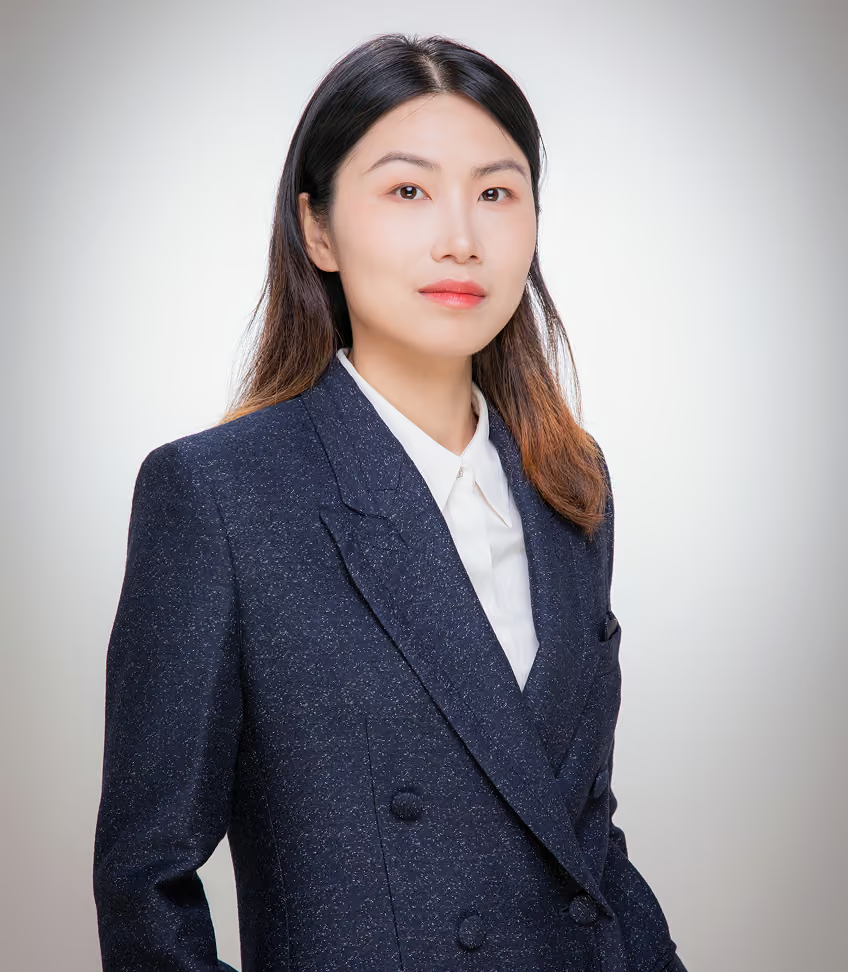
Weiwei Zhang is the Principal Lawyer and Managing Director of My Migration Lawyers. My Migration Lawyers is one of Australia's leading immigration law firms, dedicated exclusively to Australian immigration law. The firm represents individuals, families and businesses across all areas of migration law, with particular expertise in complex immigration matters, Partner Visas, Protection Visas, corporate migration, visa refusals, Administrative Review Tribunal reviews, judicial reviews and visa cancellations.